The chef's guide to recipe costing (without the spreadsheet pain)
Recipe costing sounds simple: add up what goes on the plate. In practice, three things trip up almost everyone: yields, unit conversions, and sub-recipes. Get those right and your plate costs become something you can actually price against.
Cost the usable yield, not the purchase weight
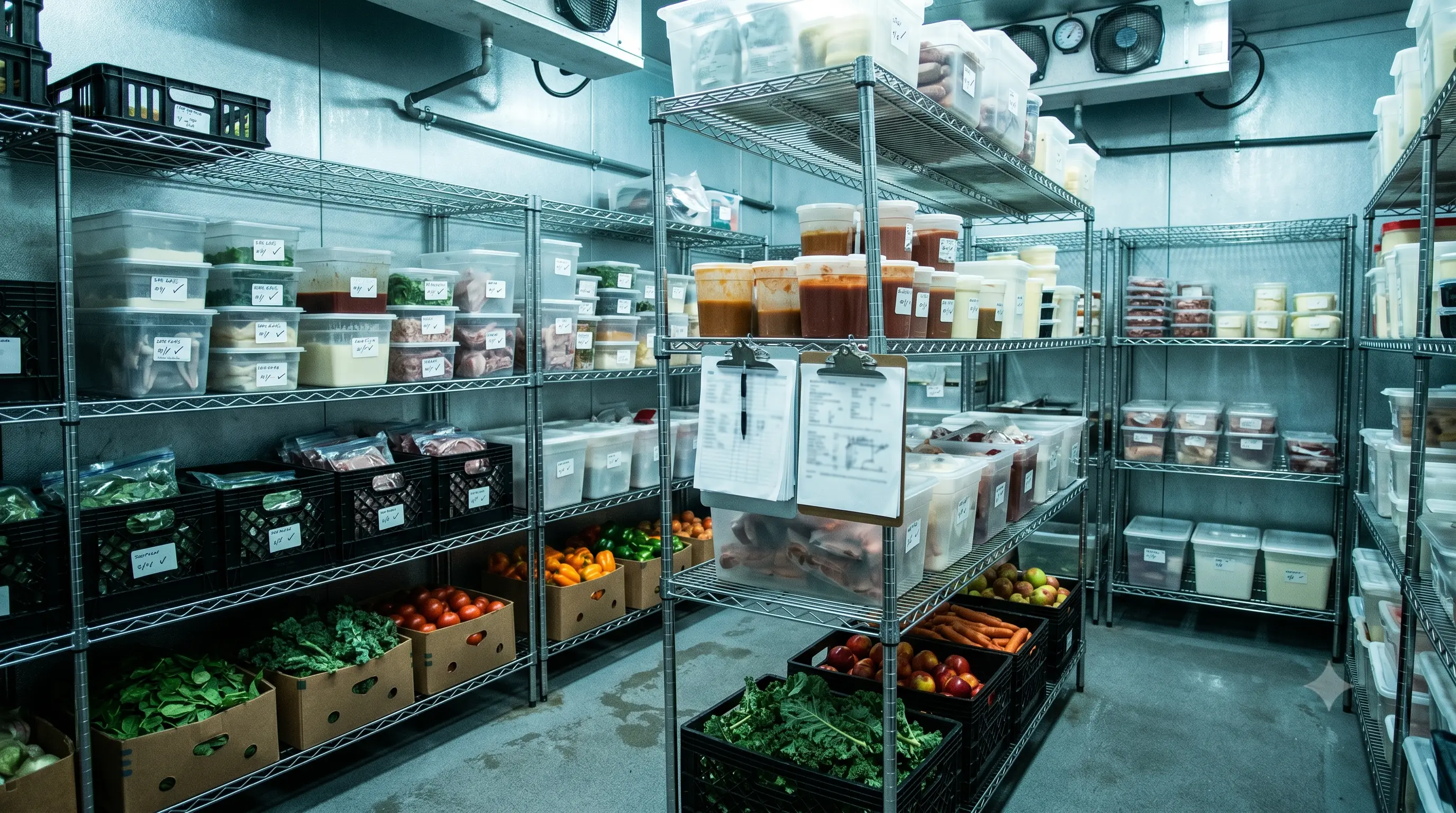
You buy a whole product, but you serve the trimmed, peeled, cooked portion. A case of carrots that yields 80% usable means the carrots on the plate cost 25% more than the case price implies. Costing the purchase weight instead of the yield is the most common reason a "30% food cost" is really 34%.
Respect the units
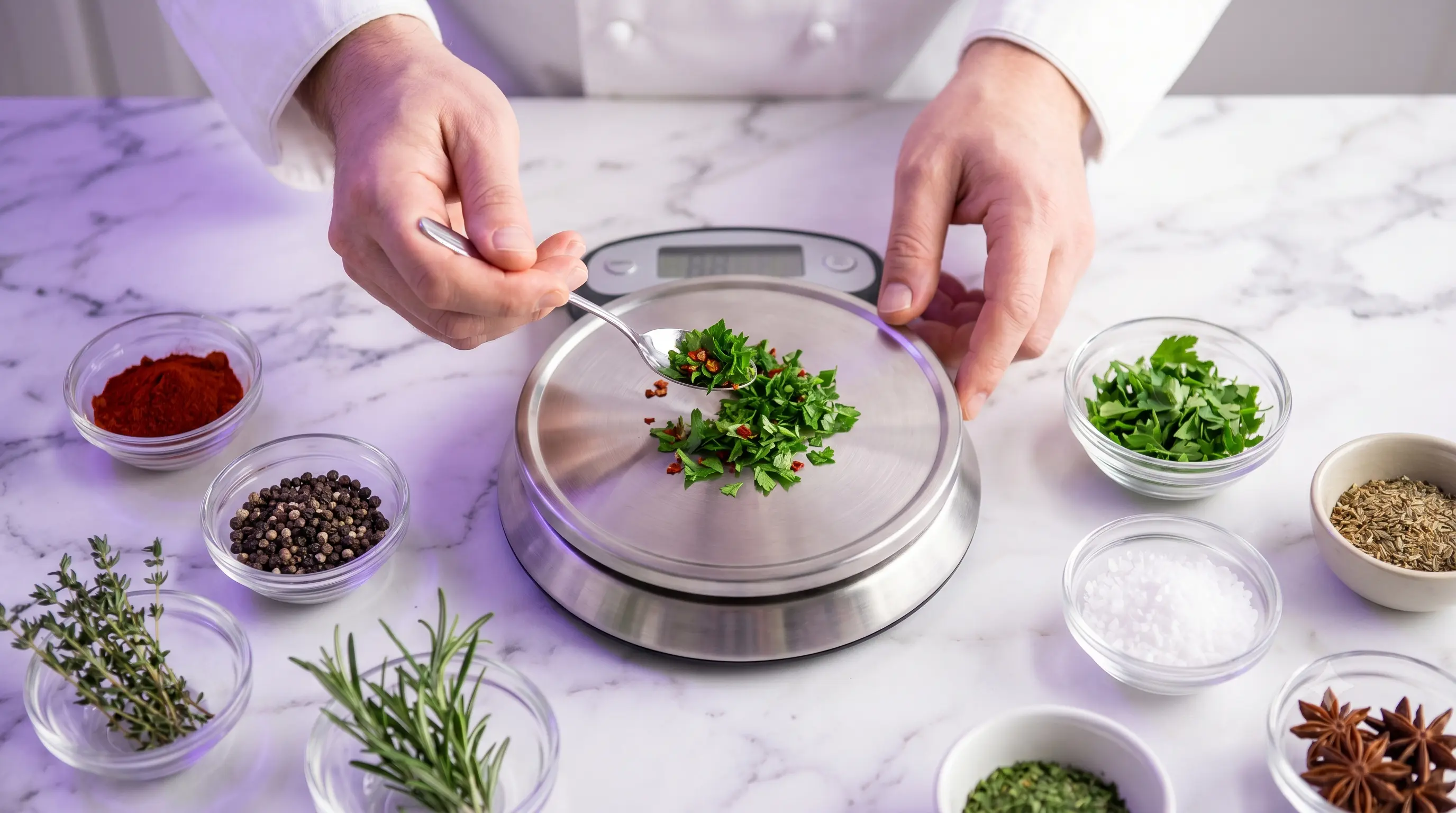
Ingredients are bought in cases, priced per pound, and used in grams or each. Every conversion is a chance to be off by an order of magnitude. Doing this by hand in a spreadsheet works until someone fat-fingers a cell, and then every dish using that ingredient is wrong, silently.
Let the software hold the units. When conversions are automatic, a price entered per case still produces a correct cost per gram on the plate, and you stop debugging spreadsheets at midnight.
Build with sub-recipes
Your demi-glace, your house pickle, your spice blend: these are recipes that feed other recipes. Costing them once and nesting them keeps everything consistent: improve the demi-glace recipe and every dish that uses it re-costs automatically. Flattening everything into one giant ingredient list is how costs drift apart over time.
Then connect cost to price
A plate cost on its own is just trivia. The point is the relationship between cost and menu price: your margin. Once every dish carries a live margin, pricing decisions stop being guesses and menu engineering becomes possible.
- Enter ingredient prices the way you buy (per case, per pound, per each).
- Set yields so the plate reflects usable product.
- Build sub-recipes once and nest them everywhere.
- Read margin alongside cost so pricing has a basis.
This is the core of what Curry does. You enter the prices and yields once; it handles the conversions, the roll-ups, and the re-costing every time something changes.
See it on your own menu
Reading about food cost is one thing. Watching it appear on your own plates is another. Start free and cost your first menu today.
Start free