
Cut food waste: a back-of-house playbook
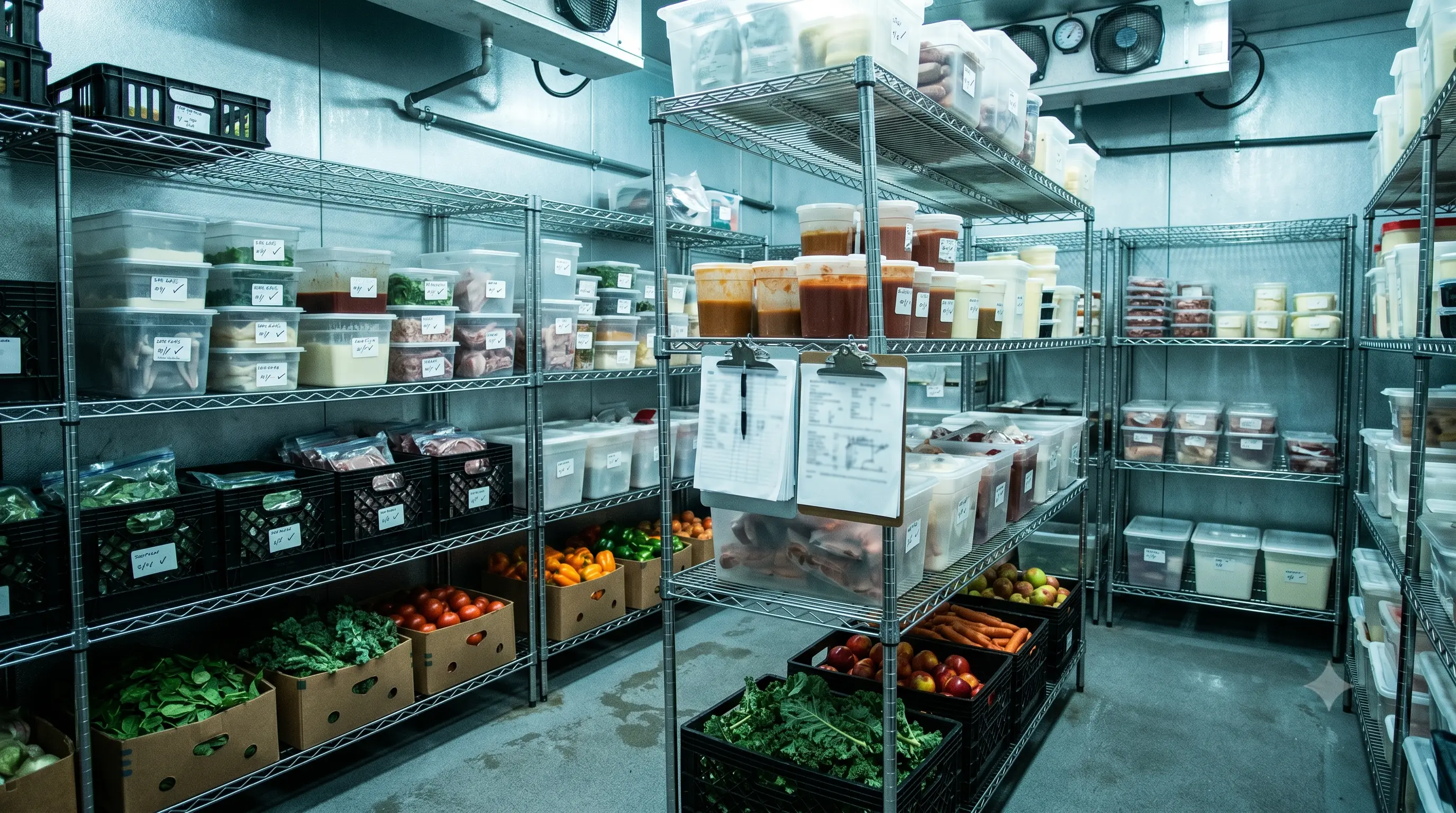
Every dollar of food you waste is a dollar of margin you already paid for and then threw in the bin. Industry estimates routinely put food waste at a meaningful share of everything a kitchen purchases. The good news: unlike most costs, this one is squarely within your control.
You cannot cut what you do not measure
Most waste is invisible because nobody writes it down. The trimmings, the over-prep, the line item that spoiled in the back of the walk-in: each feels small in the moment and adds up to real money over a month. Logging spoilage as it happens turns a vague feeling into a number you can attack.
Find the variance
Compare what you purchased against what your recipes say you should have used for what you sold, then reconcile with an actual count. The difference, variance, is the combined effect of waste, over-portioning, theft, and miscounts. A rising variance is the smoke before the fire.
A simple rhythm beats a perfect system. Count consistently, log spoilage honestly, and review variance every period. Consistency surfaces the patterns; the patterns tell you where to act.
The levers that work
- Tighten purchasing: order to forecast, not to habit, so less perishable product sits at risk.
- Standardise prep and portions so yields match your recipes.
- Rotate stock and track shelf life so nothing dies in the walk-in.
- Repurpose trim into sub-recipes (stocks, sauces, staff meal) instead of binning it.
- Review spoilage reasons and fix the top one or two each period.
Curry brings counts, spoilage tracking, and purchasing into one place, so the variance picture is always in front of you, and shrinking it becomes a routine, not a fire drill.
See it on your own menu
Reading about food cost is one thing. Watching it appear on your own plates is another. Start free and cost your first menu today.
Start free